Reflections from Women Deliver 2026
Posted: June 01. 2026
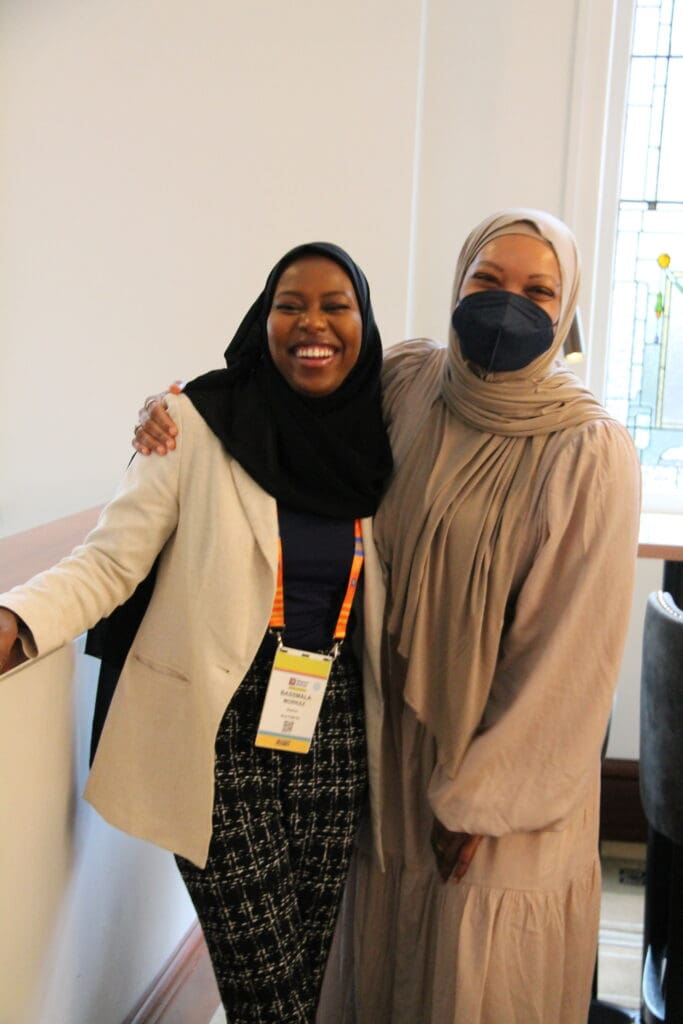
Attending Women Deliver 2026 in Narrm, Melbourne, Australia was an experience that will stay with our team long after returning to the United States. As the first time the global conference on gender equality was hosted in the Oceania-Pacific region, WD2026 felt significant from the start, a gathering of advocates, organizers, researchers, policymakers, and movement leaders from around the world, coming together to have the kinds of conversations that matter: about gender justice, equity, and what real collective action looks like.
United for Action: Global Solidarity to End FGM/C
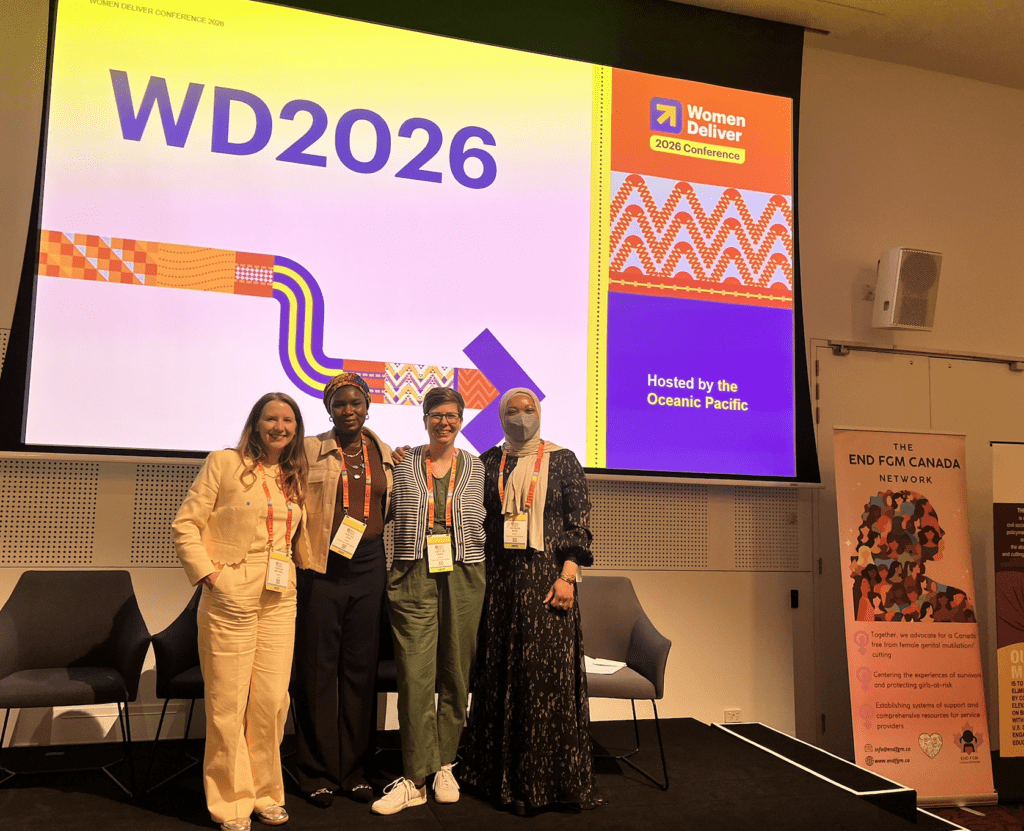
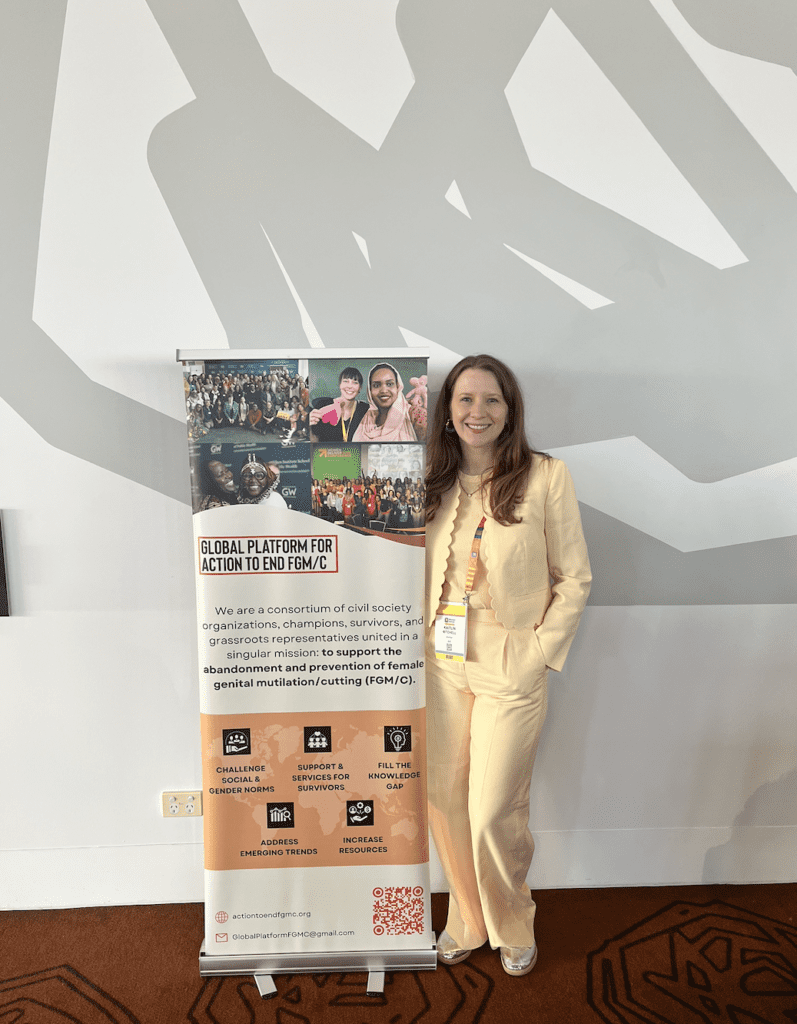
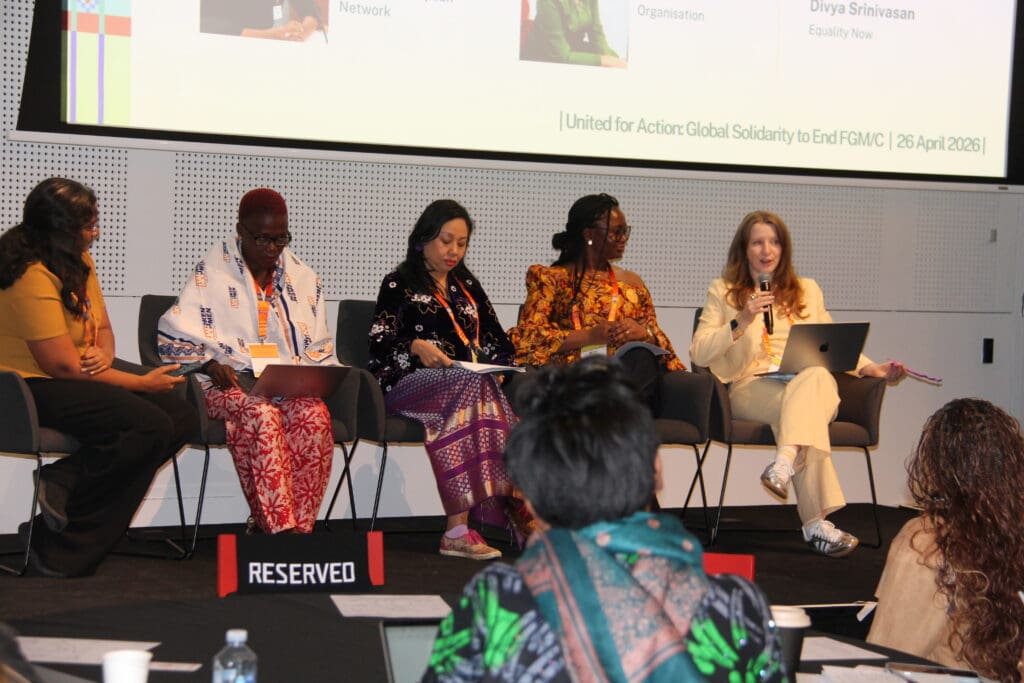
Among the many sessions and events across the week, the pre-conference United for Action: Global Solidarity to End FGM/C stood out as a particular highlight. Hosted by The Global Platform for Action to End FGM/C, of which The U.S. End FGM/C Network is a founding member, the full-day gathering brought together diverse panel discussions, thoughtful breakout sessions, and opportunities to connect with advocates working across regions and communities. What stood out most was the sense of solidarity in the room and the shared understanding that progress requires collaboration that is both global in vision and deeply community-centered in practice. As our own Patricia Mars reflected: “Seeing how involved folks from different sectors were throughout the day, passionately engaging, made me realize how much the movement has grown, though so much more needs to be done.”
Youth Zone: Voices for Change and Action
We were also proud to contribute to the Women Deliver Youth Zone, where a peer-led workshop brought together young advocates to build practical skills for advancing the movement to end FGM/C. The session went beyond awareness-raising to focus on the “how” of advocacy: root cause analysis, power mapping, strategic messaging for different audiences, and safe digital activism. Grounded in a survivor-centered framework, the workshop positioned young people as both experts and agents of change, with facilitation led by youth activists with direct experience running advocacy campaigns.
Dismantling Racism in Anti-FGM/C Movements
Another session that resonated deeply was Dismantling Racism in Anti-FGM/C Movements: Path to Decolonial, Survivor-Led Advocacy, co-hosted by The Global Platform for Action to End FGM/C, Sahiyo and The Girl Generation. The conversation explored how racism, anti-Blackness and power imbalances exist within the anti-FGM/C movement and highlighted the need to confront this reality in order to effectively shape advocacy, leadership and funding decisions. The speakers challenged participants to think seriously about what it means to address racism within gender equality spaces and why efforts to end FGM/C cannot succeed without confronting the inequities embedded within the movement itself. Caitlin LeMay shared, “Racism, anti-Blackness, and colonialism are especially relevant to addressing FGM/C in the U.S. when we are so often confronted with the misconception that FGM/C doesn’t ‘happen here’ or is only an ‘African or immigrant problem’. We can not effectively end FGM/C without also addressing the systems of oppression that uphold it, and that includes U.S. Imperialism”. “What struck me most was the session’s insistence that addressing racism is not a distraction from ending FGM/C; it is part of the work. Without tackling anti-Blackness and racial hierarchies, the movement risks alienating the very communities it seeks to serve.” Isatou shared.
One point that has stayed with us: FGM/C cuts across cultures, religions and geographies. Yet dominant narratives continue to frame it narrowly as a “Black, African, or immigrant” issue, stereotypes that erase the experiences of many survivors and reinforce harmful assumptions. This conversation reinforced why our advocacy must be nuanced, survivor-led and rooted in dignity rather than stigma.
Joy, Connection, and Culture Night
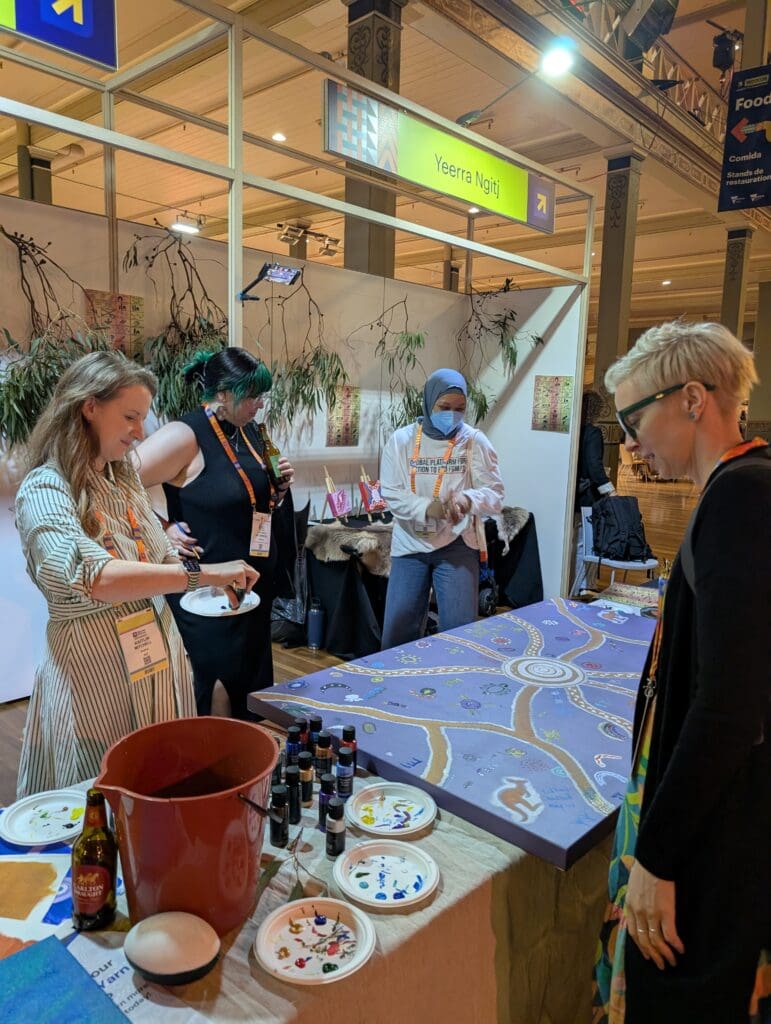
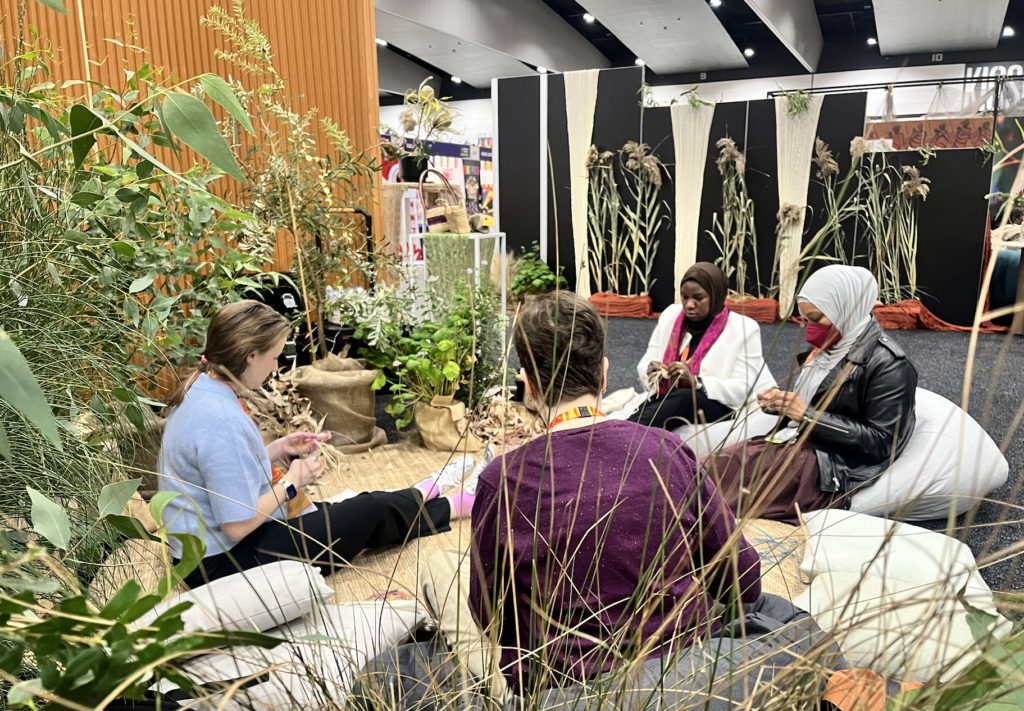
Beyond the formal sessions, Culture Night was a highlight of the week in a different and equally important way, a reminder that gatherings like Women Deliver are not only about strategy and solidarity but also about joy, storytelling and community. Being in spaces where people from so many different backgrounds came together to share both their work and their cultures felt genuinely meaningful and necessary. That spirit of connection extended to our own team as well. As Patricia shared: “My favorite team building activity we did as a team was basket weaving.” It is a small moment but one that speaks to something larger: that building a movement also means building the relationships that sustain it.
Looking Ahead
We left Melbourne feeling reflective, energized and deeply grateful for the opportunity to learn from and be in community with so many people committed to advancing gender equality around the world. The conversations that stayed with us most were the ones that went beyond surface-level discussions, the ones that pushed us to think harder about power, representation and what truly inclusive advocacy should look like.
We are also excited to share that special episodes of The Changing Narratives Podcast were recorded during the conference, featuring conversations and reflections from Women Deliver. Stay tuned as those are coming soon.